

 Consumer subscription · VPN
Paid on the sale. Judged on the subscription that survives it.
A VPN programme pays the same for a subscriber who stays for years and one who asks for their money back in a week. That single fact decides how the channel has to be bought.
- Sector
- Consumer subscription, VPN
- Model
- Flat payment per sale
- Attribution
- Long cookie, nothing on renewals
- The catch
- A money-back window under every sale
- Judged on
- Subscriptions that outlive the refund window

The economics
The payout is flat, so the margin lives in who converts.
ExpressVPN's affiliate programme pays a flat amount once, when somebody buys, with a longer cookie than the rest of the category and nothing at all when that person renews. The longer the plan bought, the bigger the single payment.
Read that from the brand's side. The cost of winning a subscriber is fixed before anyone knows whether that subscriber is worth winning. A customer who stays for years and a customer who refunds inside the guarantee window cost exactly the same to buy. Volume, on its own, buys nothing.
And a money-back guarantee sits underneath every sale, so the opening stretch of each subscription is provisional. The question a partner has to answer isn't how many sales the channel can produce. It's which sources produce subscriptions that outlive their own refund window.
The problem
The dashboard says yes while the bank says no.
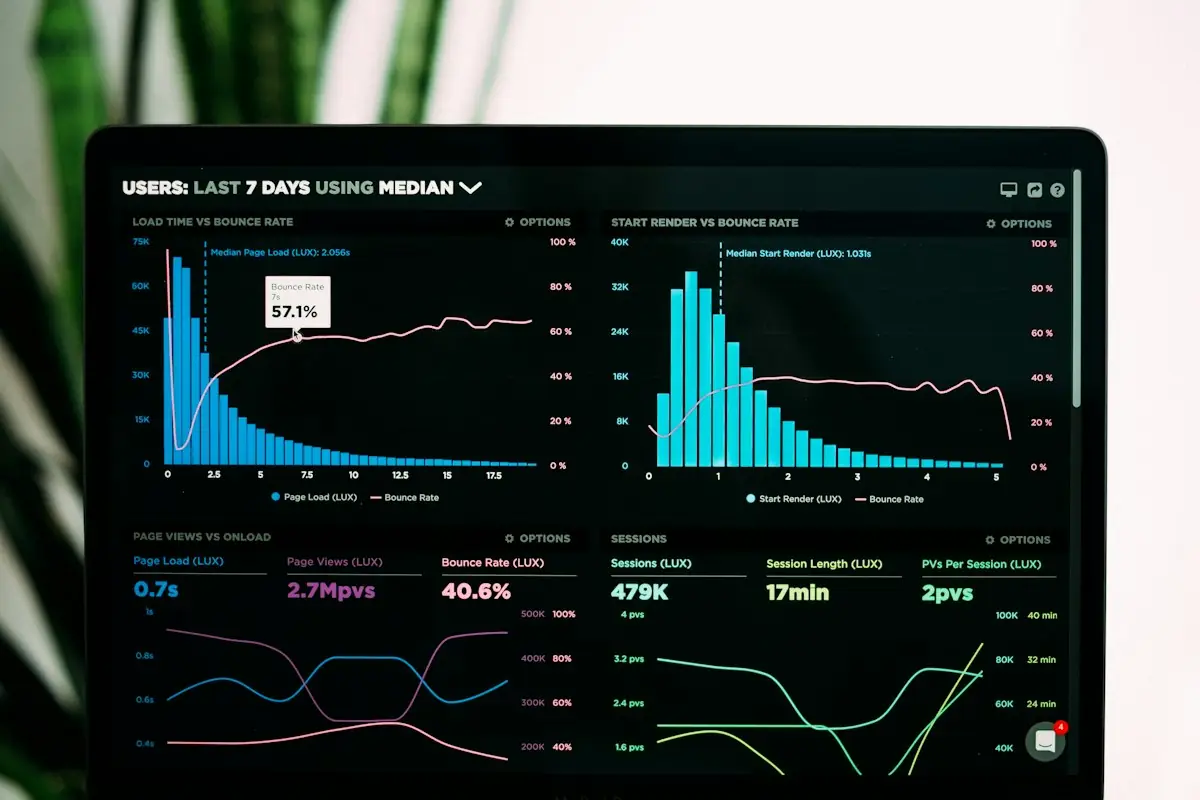
This is where an affiliate channel hands a brand false hope. Conversions arrive, the graph climbs, the reporting reads like a good month — because the reporting counts sales, and sales are exactly the thing that can be manufactured.
The methods are old and well documented: cookies dropped on people who never clicked, clicks fired in bulk so the last one can claim a sale that was always going to happen, sign-ups bought with incentives, traffic laundered through bots or paid users. All of them make rows in a dashboard.
The tell is downstream — in refunds, in chargebacks, in how many buyers are still there once the guarantee lapses. A brand can be winning on screen and losing at the bank for a whole quarter before anybody sets those views side by side.
How the work started
We began with the event that actually pays.
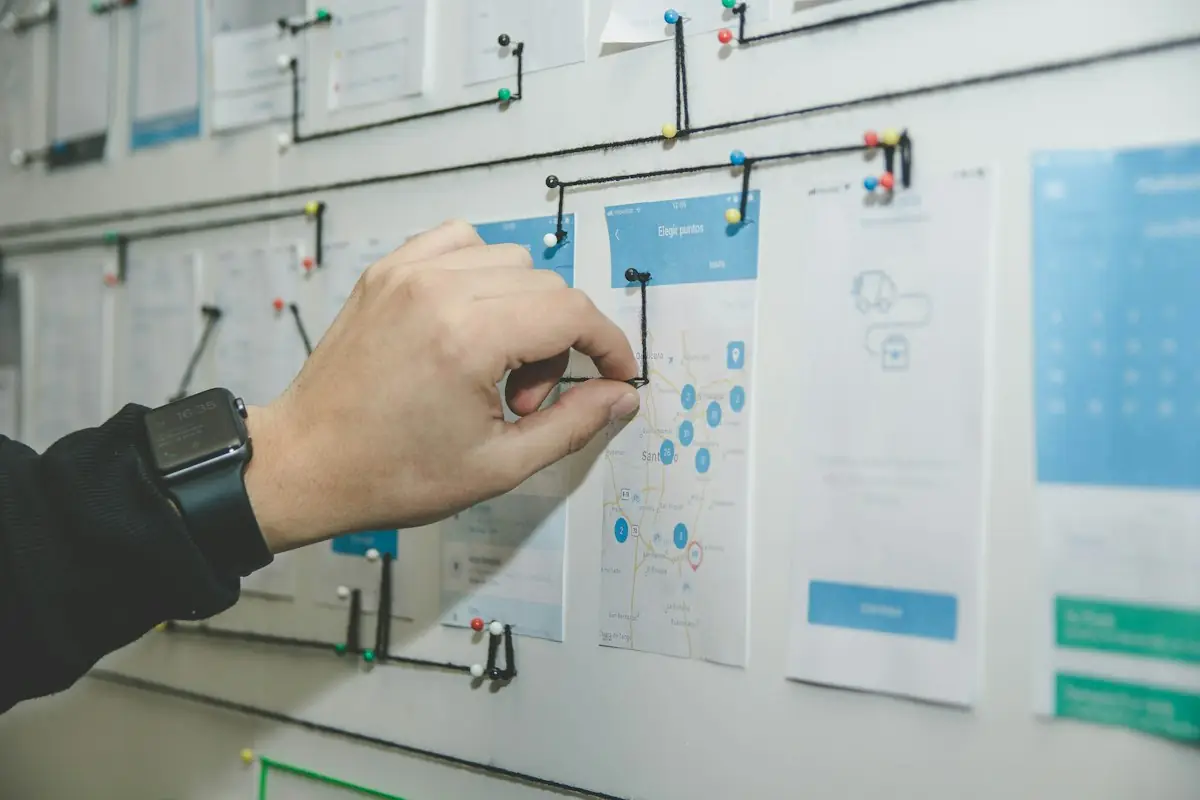
Onboarding isn't a kick-off deck. It's agreeing what counts, before money moves.
We take the payout table, the guarantee window and the margin on each plan, then define the conversion the campaign is steered by: not a click, not a sale on the day, but a subscription still alive after the window closes.
Everything downstream follows from that definition, which is why it is settled first and written down rather than assumed.

What we did
Bought the source, not the volume.
Every partner and placement is judged on what survives. Sources that convert cheaply and refund fast lose budget instead of earning more of it.
Traffic is checked before it is allowed to shape bidding, not written up afterwards. Where a placement fails, it comes out — it doesn't get a footnote in a monthly deck.
That is a slower way to grow a channel, and it is the only way to grow one that finance recognises at the end of the quarter.

How we did it
One number both sides trust.
Reporting is reconciled against subscriptions the brand can bank rather than conversions a platform claims, so finance and marketing read the same page.
Decisions run to a fixed rhythm against that number: what to scale, what to cut, what to try next.
Nobody has to argue about whose figure is right, because there is only the one.
A conversion you cannot bank is not a conversion. It's an invoice with better graphics.
More consumer apps case studies

 31%
31%Identity and verification
OTP Journey Optimization That Unlocked 31% Verified User Growth for Equal AI
31% · Growth in verified users
Read the case study
 15%+
15%+Streaming · India
Scaling Story TV's Trials to Payments Engine with 15%+ F2P at Pan India Scale
15%+ · Free-to-paid conversion across India
Read the case study
 30%
30%Scooter rental
Reactivating Vogo Users by 30% Through Remarketing
30% · User reactivation through remarketing
Read the case study